
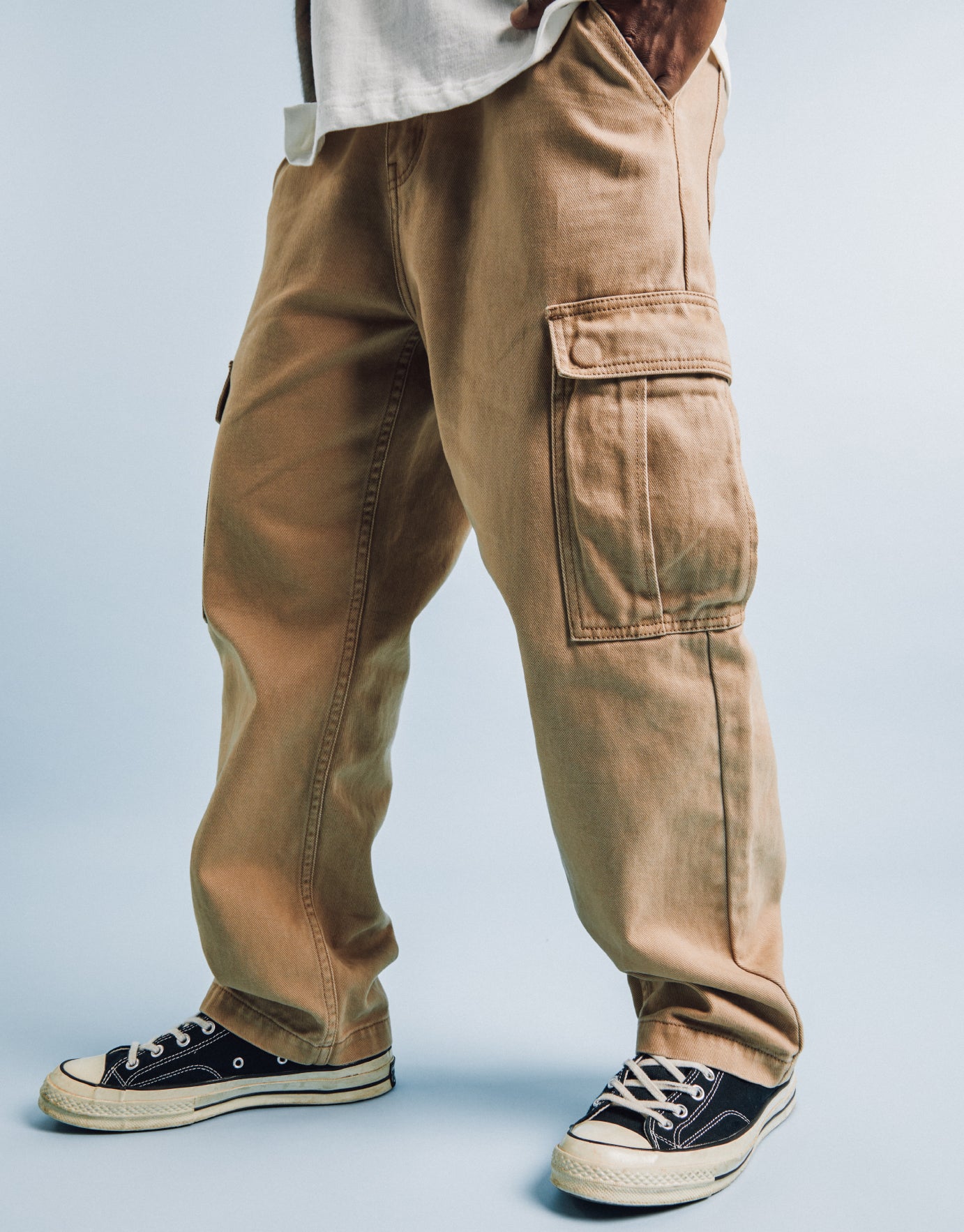
It's happened to all of us: you spot a pair of pants online or in a store, envisioning yourself looking absolutely amazing, only to try them on and…well, not so much. The issue isn't necessarily your body, but more likely that particular style wasn't the right fit. Navigating the world of denim, trousers, and leggings can feel overwhelming. Finding the perfect fit isn't about changingyourshape; it's about finding the right silhouettes that flatter what you already have. This guide explores the "Pants to Avoid with Certain Body Types (and Better Options)", so you can stop the frustrating cycle of ill-fitting pants and start building a wardrobe you love.
Understanding Body Types and Pants Styles
Before diving into specifics, let's clarify what we mean by "body type." We're talking about general shapes: apple, pear, hourglass, rectangle, and inverted triangle. These are merely guidelines. Everyone is unique, and finding the best pants will always involve some personal experimentation. Consider these suggestions a starting point.
The Apple Shape (Wider Torso and Slimmer Legs)
Pants to Avoid: Skinny jeans with a low rise. These can accentuate the midsection and draw attention to the widest part of the torso, creating an unbalanced look. Also avoid overly bulky, pleated trousers that add extra volume where you probably don't need it.
Better Options: Bootcut or flared jeans. The slight flare balances the broader upper body, creating a more proportionate silhouette. High-waisted styles can also help define the waist and create a more streamlined look. Consider straight-leg pants in a darker wash for a slimming effect. A structured trouser with a flat front can also work wonders.
The Pear Shape (Wider Hips and Thighs, Smaller Upper Body)
Pants to Avoid: Anything too tight or clingy. This includes very tight skinny jeans or leggings worn without proper coverage. Styles with embellishments or large pockets on the hips can also add unwanted bulk. Avoid pants that taper severely at the ankle, which can make your hips appear wider.
Better Options: Straight-leg or wide-leg pants. These styles balance the hips and thighs, creating a more balanced silhouette. Dark washes and clean lines are your best friend. Look for pants with a slightly higher rise that sits comfortably on your waist. Avoid lightweight, flimsy fabrics that will cling; instead opt for sturdier materials like denim or ponte knit.
The Hourglass Shape (Balanced Bust and Hips, Defined Waist)
Pants to Avoid: Baggy or shapeless pants. These can hide your natural curves and make you appear larger than you are. Low-rise pants can also create an unflattering muffin top effect. Avoid excessively embellished pants that distract from your natural shape.
Better Options: High-waisted jeans, tailored trousers, or paper bag waist pants. These styles accentuate the waist and showcase your curves. Fitted but not overly tight styles are ideal. Straight-leg or slightly flared pants can also look fantastic, as they maintain the balanced proportions of your figure. Experiment with different fabrics, but avoid anything too stiff that won't move with your body.
The Rectangle Shape (Straight Up and Down, Less Defined Waist)
Pants to Avoid: Ill-fitting pants that are either too tight or too baggy. Neither will create a flattering shape. Also, avoid very basic styles that lack any visual interest.
Better Options: Pants with details like pockets, embellishments, or interesting textures. These can add dimension and create the illusion of curves. High-waisted pants can help define the waist, and wide-leg or flared styles can add volume to the lower body. Look for styles with a subtle flare or bootcut, or trousers with strategically placed darts and pleats to add shape. Paper bag waist pants can create a more defined waistline.
The Inverted Triangle Shape (Broader Shoulders, Narrower Hips)
Pants to Avoid: Pants that make the hips appear even narrower, such as very skinny jeans or leggings worn without anything to balance the upper body.
Better Options: Wide-leg pants, palazzo pants, or styles with flared legs. These add volume to the lower body, creating a more balanced silhouette. Look for pants with interesting details, such as pockets or embellishments, to draw attention to the hips. Straight-leg pants in a lighter wash can also help create a more proportional look. Avoid extremely dark colors, which can make your lower body look even smaller.
Beyond Body Type: Other Factors to Consider
Body type is a helpful starting point, but several other factors contribute to finding the perfect pants.
Rise: High-waisted pants sit at or above the natural waist, while mid-rise pants sit a few inches below. Low-rise pants sit on the hips. The right rise can significantly impact the fit and feel of your pants. High-waisted pants can lengthen the legs and define the waist, while low-rise pants can create a more casual look. Experiment to see what feels most comfortable and flattering on your body. Fabric: The fabric of your pants can also affect how they look and feel. Stretchy fabrics can be more comfortable and forgiving, while stiffer fabrics can provide more structure and support. Consider the season and occasion when choosing a fabric. Color and Wash: Darker colors tend to be more slimming, while lighter colors can add volume. The wash of denim can also affect the overall look of your pants. A dark wash is more versatile and can be dressed up or down, while a light wash is more casual. Length: The length of your pants should be proportionate to your height. Tall women can often wear longer pants, while petite women may need to have their pants hemmed. The length of your pants should also complement the shoes you're wearing.
Tips for Finding the Perfect Fit
Finding the perfect pants often involves a bit of trial and error. Here are some helpful tips to guide you: Try on multiple sizes and styles. Don't be afraid to experiment. Sizes vary between brands, so don't get hung up on a specific number. Pay attention to the fit in the hips and thighs. If your pants fit well in these areas, you can always have the waist altered if necessary. Consider the shoes you'll be wearing. Bring a pair of shoes with you when you go shopping, or try on pants with shoes that are similar in height and style. Don't settle. If your pants aren't comfortable or flattering, don't buy them. There are plenty of other options out there. Get a second opinion. Bring a friend or family member with you when you go shopping to get their honest feedback. Read online reviews. See what other customers have to say about the fit and quality of the pants you're considering.
Ultimately, the best pants are the ones that make you feel comfortable and confident. Don't be afraid to break the rules and wear what you love! By understanding your body type and considering the factors discussed above, you can find pants that flatter your figure and help you look and feel your best.